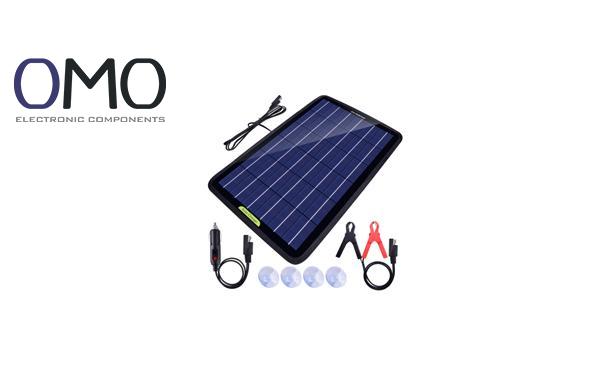
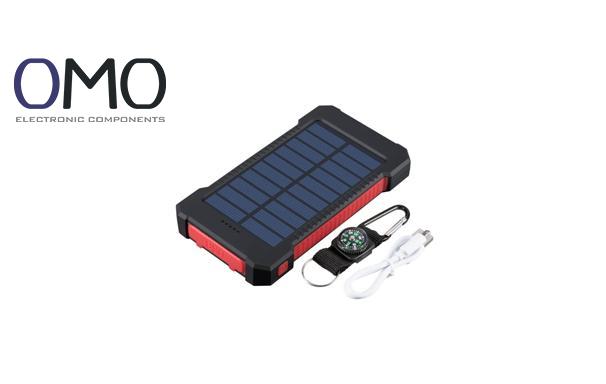
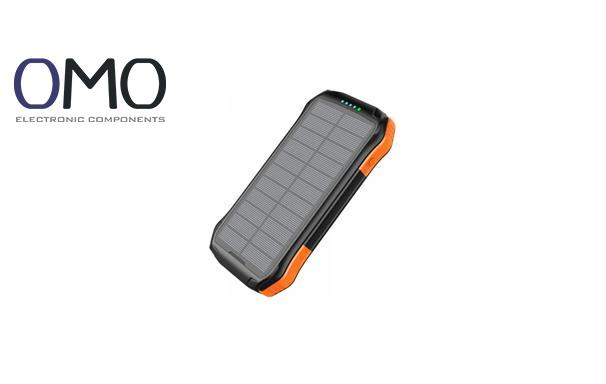
A solar charger is a portable device that turns sunlight into electricity through photovoltaic conversion. It includes charging functions made for battery-powered devices. The charger has two main parts:
The solar panel collects sunlight and creates DC power using the photoelectric effect.
The charge controller manages the voltage and current to give safe and stable output (for example, for USB devices).
Unlike traditional chargers that use grid power and create carbon emissions, a solar charger works off-grid with zero emissions. It is especially useful in remote areas.
Embedded advantage comparison:
Compared to normal chargers, a solar charger can save hundreds of yuan in electricity every year. It also gives power during emergencies and avoids blackouts.
Main Components
A complete solar charger has these parts:
Solar panels made from monocrystalline or polycrystalline silicon for high conversion rate.
Charge controller with PWM or MPPT technology to control energy flow (MPPT is 15–20% more efficient than PWM).
Output ports like USB-A, USB-C, or DC plugs for different devices.
Some models have built-in lithium-ion batteries for night use.
The case is made from plastic or metal, designed to resist water and shocks, often with adjustable stands.
These modular parts are easy to move and maintain. If one part breaks, users can replace it separately to save cost.
Core Working Principle
The solar panel first converts sunlight into unstable DC power. Then, the charge controller adjusts the voltage (like 5V or 20V).
The clean power goes to devices through USB/DC ports.
If the charger has a built-in battery, it stores extra energy for later.
The whole process runs automatically. Users just need to face the panel toward the sun.
For example, at peak sunlight, the controller can increase efficiency by 20%, reducing energy waste.
Key Features and Advantages
Solar chargers are eco-friendly and durable:
Work completely off-grid.
Zero carbon emissions (reduce CO₂ by up to 50 kg/year).
Modular and lightweight (foldable models weigh only 0.5 kg).
Strong environmental fit: IP67 waterproof, and temperature-resistant from -20°C to 60°C.
Long lifespan: 10–15 years, low maintenance cost.
Embedded advantage comparison:
Compared to gasoline generators, solar chargers are quiet, clean, and better for homes and outdoor use.
Performance and Efficiency
Factors That Affect Efficiency
Many factors impact performance:
Conversion rate is key. Normal panels: 15–25%. Top models: up to 28%.
Sunlight intensity changes with location, season, and weather (summer can give 30% more than winter).
Temperature matters: High heat lowers efficiency by 0.5% per °C.
Angle must be close to 90°. If off by 15°, efficiency may drop by half.
Shading is critical: One shaded panel can reduce total output by 50%.
Performance Indicators
Parameter
Typical Range
Test Standard
Output Power
5W–100W+
Standard Test Conditions
Output Voltage
5V/9V/12V/20V
USB PD Protocol
Charging Time
1–6 hours
For 5000mAh battery
No-load Power Loss
<5%
72-hour test
Visual description:
This table shows a simulated chart.
X-axis = parameter type.
Y-axis = value range.
Colors mark high-efficiency zones.
Different power levels meet different needs:
Mini (5–10W): for phones
Portable (20–40W): faster tablet charging
High-power (60W+): fast charge for laptops
Common Types
By Shape and Structure
Choice depends on the use scene:
Foldable type (tri-fold or five-fold): size 0.3–0.5 m², fits in backpack.
Rollable type: flexible solar cloth, under 300g, easy to store.
Rigid panel type: strong but heavy, for fixed setups.
Backpack-integrated type: combined with outdoor bags, charges while walking.
Embedded advantage comparison:
Foldable panels give 20% more efficiency than fixed panels and work better in changing environments.
By Power Level
Power decides what it can charge:
Mini (5–10W): for phones and earphones, small size.
Portable (20–40W): for tablets or cameras, 2× faster charging.
High-power (60–100W+): for laptops or drones, strong output.
Solar Chargers in Different Fields
Consumer Electronics
In daily life, chargers work smoothly:
5W–20W models fit phones and tablets, support fast charging via USB-C PD.
Camera chargers offer stable output to avoid voltage drops.
Wearables come with light support stands.
Embedded advantage comparison:
Solar chargers save 50% on maintenance (no battery replacements needed).
Outdoor Activities
Portability is key:
Camping chargers are foldable with IP68 waterproofing, work in rain.
Hiking bags charge on the go, 40% more efficient.
Marine chargers float and resist corrosion, last up to 5 years.
Emergency Backup
Solar chargers are vital in emergencies:
Survival kits include LED lights, 72-hour use on one charge.
Disaster tools power medical gear quickly.
Car kits support jump-starts and are safer than gas generators.
Embedded advantage comparison:
Solar chargers have a 100% off-grid success rate during disasters, better than power banks.
IoT / Industrial Devices
Solar power helps in industry:
Remote sensors get stable power, need less service.
Farm sensors work year-round on solar.
Traffic signs stay powered for up to 10 years.
Charging Methods
Direct Charging Mode
Text-based visual description (like a Mermaid diagram):
This offers a buffer for cloudy weather or night use.
Hybrid Charging Strategy
This adds flexibility:
Solar + Grid Power: works during cloudy days (dual input).
Solar + Hand Crank Generator: extra backup.
Multi-port sharing: supports charging 2 devices at once.
Practical Tips and Optimization
Ways to Improve Efficiency
In daily use:
Adjust panel angle every 60 minutes.
Use reflective aluminum sheet to boost sunlight by 20%.
Clean panels daily with soft cloth.
Leave 5cm space at the back for cooling.
These tips can speed up charging by 30%.
Maintenance Tips
Focus on prevention:
Check port seals after rainy days.
Store with 50% battery charge.
Test power output monthly.
Check for material deformation after extreme temperatures.
Checklist:
Keep storage humidity <60%
Clean every season
Inspect controller yearly
Safe Usage Rules
Safety comes first:
Do not use outdoors in the rain (short-circuit risk).
Keep metal away from terminals (shock risk).
Supervise children when using.
Never open or modify the circuit (fire risk).
Follow rules to protect both users and devices.
Frequently Asked Questions
What is the best solar battery charger?
The ideal charger depends on your budget, needs, and environment. For most people, a 50W–100W foldable solar charger from a reputable brand like Anker, Goal Zero, or Renogy strikes a good balance between performance and portability.
How long do solar battery chargers last?
The typical lifespan of a 12V solar battery charger is 5 to 10 years with proper care, but this depends significantly on its type, quality, and conditions of use.
Do solar battery chargers really work?
Solar battery chargers are indeed effective. They harness sunlight to generate electricity, storing it in batteries for future use. Typically, these systems offer users a sustainable and cost-efficient alternative to grid electricity or generators.
Do solar chargers work on cloudy days?
Solar battery chargers function on cloudy days, but with substantially less efficiency than in direct sunlight. They perform best under bright sun but still produce electricity using indirect or diffused light.